
The Hidden Strain of
Rail Operations
Across the rail industry, musculoskeletal disorders are nearly universal, with the accumulated impact of repetitive tasks, manual handling, and sustained postures creating a burden that standard reporting often underrepresents.
WORKFORCE IMPACT
94%
94% RAIL WORKERS REPORT MUSCULOSKELETAL ISSUES FROM REPETITIVE MANUAL TASKS
64%
LOWER BACK ISSUES
15.3%
SICKNESS ABSENCE
CRITICAL FOCUS AREAS
Where the Risks Live
Our technology addresses the specific ergonomic challenges present in the three pillars of rail operations.

Biomechanical Risks
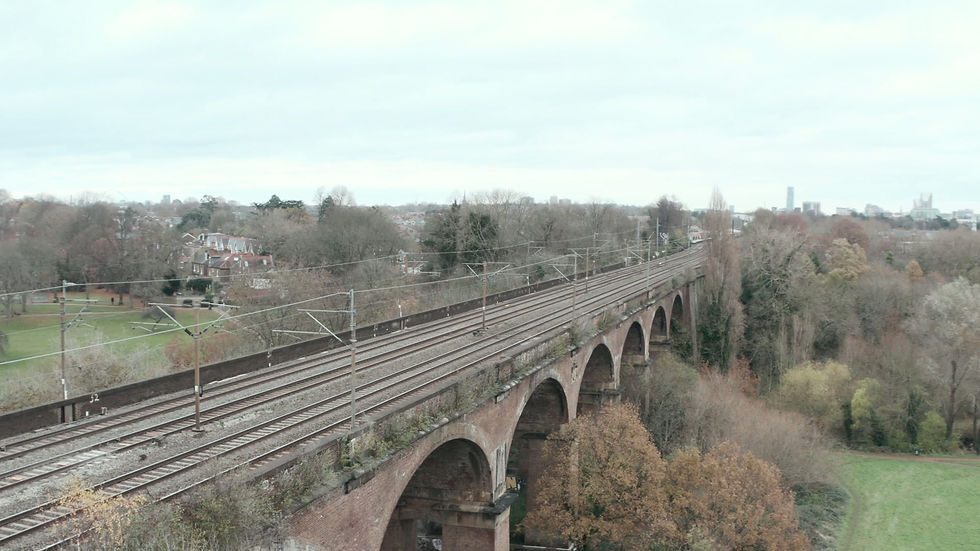
Train
Operations
Managing whole-body vibration and prolonged seated posture for long-haul drivers.
-
Continuous bending/twisting causes lower back and repetitive strain
-
Pushing trolleys and lifting leads to knee, shoulder strain
-
Prolonged sitting causes neck and upper limb disorders
-
Luggage handling and standing cause multiple joint pains
-
Heavy lifting causes back and upper limb injuries
Biomechanical Risks
Infrastructure Management
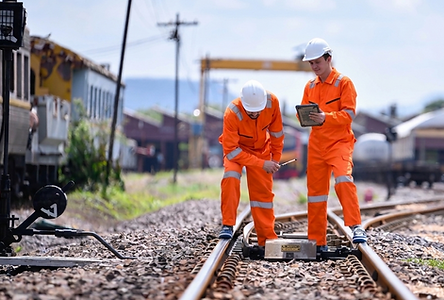
High-impact manual tasks involved in track maintenance and sleeper replacement.
-
Manual handling leads to lower back and shoulder strain
-
Awkward postures cause joint stress and MSD risk
-
Forceful exertion overloads muscles and tendons
Biomechanical Risks
-
Restricted spaces cause back, shoulder, neck strain
Train Maintenance
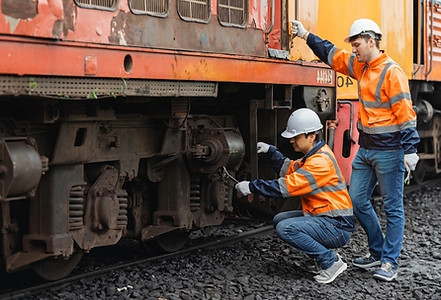
Optimizing mechanics' posture in confined spaces and during under-carriage repairs.
-
Overhead repetitive work causes shoulder and arm MSDs
-
Kneeling and squatting lead to knee and leg strain
-
Shunting tasks cause sprains, strains, and back injuries

Control & Signalling Operations
Biomechanical Risks
-
Prolonged sitting and fixed screen-based work, leading to neck, shoulder, and upper limb disorders
-
Sustained static posture during safety-critical monitoring, resulting in fatigue accumulation and postural degradation over long shifts
-
High-focus, low-movement environments, increasing musculoskeletal stress due to reduced micro-movement over time
How MOVA Reduces MSD Risk in
Rail Industry
MOVA uses wearable sensors and AI to continuously track manual handling risk across every shift — giving your H&S team objective data, automated HSE reporting, and the evidence needed to intervene before injuries happen.
Objective, continuous risk assessment
Replaces subjective observation with sensor data, tracking fatigue and posture degradation as it happens across a shift.
AI-driven mitigation
suggestions
Our AI interprets risk and industry context, delivering targeted mitigation strategies aligned to the hierarchy of controls and best practice.
Real-environment staff
training
Real-time postural feedback replaces classroom sessions, correcting technique where risk occurs and driving lasting behaviour change.
Enterprise‑grade risk
visibility
One dashboard. Multi-site visibility, risk hot-spots, prioritisation, and
faster compliance at
every level.
Automated HSE-compliant reporting
Automated HSE-aligned reporting — MAC, RAPP, and ART — consistent, auditable, and free from
admin burden.


Built for the Track, Not Just the Lab
Rail environments are relentless. MOVA is engineered to withstand the vibration, dust, and electrical interference of a live rail environment.
IP68 Rated
Built for outdoor exposure, rain, and trackside conditions.
Magnetically Immune
Precise data even near high-voltage lines and rail infrastructure.
12h Shift Battery
Outlasts the longest maintenance shifts, day or night.
Millimeter Precision
Capture spinal micro-
movements invisible to video tracking.

Benefits Across Your Organisation
One platform. Measurable outcomes for every team that touches health and safety
Staff
Upto
77%
reduction in injury risk through early intervention
Better
posture
real-time, on-the-job feedback corrects technique as it happens
Less
fatigue
risk tracked and managed across the full work shift
Health & Safety
75%
less time spent on risk assessment and reporting
Zero
admin
automated reporting frees focus for mitigation, not paperwork
Audit
ready
objective, HSE-compliant data builds stronger compliance cases
Operations
Less
down time
fewer injuries means fewer disruptions to workflows and output
Consistent
flow
Safer execution means smoother, more predictable operations
More
output
productivity gains unlocked when risk is proactively managed
Leadership
Better
performance
lower risk exposure directly improves operational outcomes
Clear
compliance
Auditable data makes regulatory compliance easy to prove
Safety
culture
data-driven approach builds a proactive, credible safety function
Learning & Development
Faster onboarding
real-world, on-the-job training accelerates time to
competence
Consistent standards
data-driven feedback removes variability in how training
lands
Lasting behaviour change
continuous in-task coaching reinforces safe practices beyond the classroom
“Transport for Wales (TFW) have had the pleasure of connecting and working with Spatial Cortex using their wearable MOVA technology to obtain tangible insights into preventing and reducing Manual-handling injuries and Musculo-Skeletal Disorders (MSDs). MOVA gave reliable, consistent, and qualitative data.”

Catherine Green
HSEQ Business Partner (Fleet),
Transport for Wales Rail


